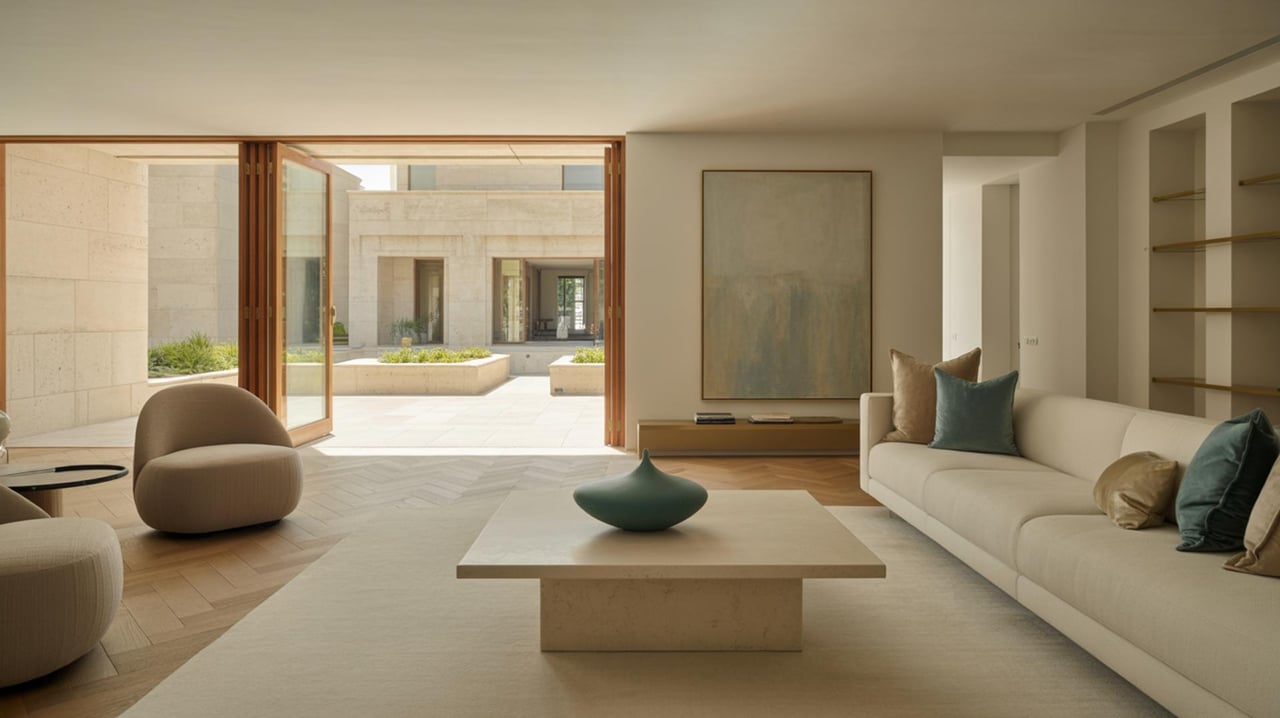
Creating a harmonious color scheme for your home can transform your living space into a personalized sanctuary. The right combination of colors not only enhances the aesthetic appeal of your home but also influences mood and perception. By exploring innovative strategies for selecting and applying colors, homeowners can achieve a balanced and inviting environment. From understanding color theory to experimenting with bold palettes, there are numerous ways to infuse creativity into your home’s design.
Understanding Color Theory
Color theory is the foundation of creating a cohesive color scheme. It involves understanding the color wheel, which is divided into primary, secondary, and tertiary colors. Primary colors—red, blue, and yellow—are the building blocks of all other colors. Secondary colors, such as green, orange, and purple, are created by mixing primary colors. Tertiary colors are formed by combining primary and secondary colors. By understanding how these colors interact, homeowners can create harmonious combinations that enhance the visual appeal of their spaces. Complementary colors, which are opposite each other on the color wheel, can create a vibrant look, while analogous colors, which sit next to each other, offer a more serene and cohesive feel.
Choosing a Dominant Color
Selecting a dominant color is a crucial step in establishing your home’s color scheme. This color sets the tone for the entire space and is typically used in larger areas such as walls or flooring. When choosing a dominant color, consider the mood you want to evoke. Warm colors like reds and yellows can create an energetic and inviting atmosphere, while cool colors like blues and greens offer a calming effect. It’s also important to consider the natural light in your home, as it can alter the appearance of colors throughout the day. Testing paint samples on different walls can help determine how a color will look in various lighting conditions.
Incorporating Accent Colors
Accent colors add depth and interest to a room by highlighting architectural features or drawing attention to specific areas. These colors are often bolder and used sparingly to create contrast with the dominant color. Accent colors can be applied through accessories such as throw pillows, artwork, or rugs. When selecting accent colors, consider using the 60-30-10 rule: 60% of the room should be the dominant color, 30% a secondary color, and 10% an accent color. This approach ensures a balanced and visually appealing design.
Exploring Monochromatic Schemes
A monochromatic color scheme involves using variations of a single color to create a cohesive look. This approach can be both sophisticated and calming, as it relies on different shades, tints, and tones of the same color. Monochromatic schemes work well in minimalist spaces or areas where you want to emphasize texture and form. To prevent a monochromatic room from feeling flat, incorporate various materials and patterns to add visual interest. For example, pairing a soft gray wall with charcoal furniture and silver accents can create a layered and dynamic look.
Experimenting with Bold Palettes
For those looking to make a statement, bold color palettes offer an opportunity to showcase personality and creativity. Vibrant colors can energize a space and create a memorable impression. When working with bold colors, it’s important to balance them with neutral tones to avoid overwhelming the room. Consider using bold colors in smaller doses, such as on an accent wall or through decorative elements. This approach allows you to enjoy the impact of bold colors without committing to them on a larger scale.
Considering the Psychology of Color
The psychology of color explores how different hues affect emotions and behaviors. Understanding these effects can guide homeowners in choosing colors that align with their desired atmosphere. For instance, blue is often associated with tranquility and is a popular choice for bedrooms and bathrooms. Yellow, on the other hand, is linked to happiness and can brighten up kitchens or living areas. By considering the psychological impact of colors, homeowners can create spaces that not only look appealing but also feel comfortable and inviting.
Using Nature as Inspiration
Nature offers a rich palette of colors that can inspire your home’s color scheme. Earthy tones such as greens, browns, and blues can create a soothing and organic feel. Drawing inspiration from natural elements like forests, oceans, or sunsets can guide your color choices and help create a cohesive design. Incorporating natural materials such as wood, stone, or plants can further enhance the connection to nature and add texture to your space.
Balancing Light and Dark Tones
Achieving balance in your color scheme often involves a mix of light and dark tones. Light colors can make a room feel larger and more open, while dark colors add depth and coziness. When combining light and dark tones, consider the proportions and placement within the room. For example, using a dark color on the lower half of a wall and a lighter color above can create a sense of height and openness. This technique is particularly effective in smaller spaces where maximizing light is important.
Adapting to Trends
While personal preference should always guide your color choices, staying informed about current design trends can provide fresh ideas and inspiration. Trends often introduce new color combinations or highlight specific hues that can be incorporated into your home. However, it’s important to adapt trends to fit your style rather than following them blindly. This ensures that your home remains timeless and reflects your unique taste.
Testing and Adjusting
Before committing to a color scheme, testing and adjusting are essential steps. Paint samples on different walls and observe how they look at various times of the day. This allows you to see how colors interact with light and other elements in the room. Don’t hesitate to make adjustments if something doesn’t feel right. Flexibility in the design process ensures that the final result is a space that you love and feel comfortable in.
Transform Your Home with Color
Incorporating innovative color strategies can truly transform your living space, making it more vibrant and inviting. By understanding the principles of hue harmony, you can create a cohesive and aesthetically pleasing environment that reflects your personal style. Whether you're planning a complete makeover or just a subtle refresh, the right color scheme can make all the difference. For expert guidance and to explore more creative ideas, reach out to Tracewater Homes today!