Thinking about building a second home in Gulf County instead of buying resale? That choice can give you more control over layout, durability, and long-term maintenance, but it also comes with coastal rules, flood considerations, and lot-specific planning that you need to understand early. If you want to build with fewer surprises, this guide will walk you through the big decisions, local requirements, and practical tradeoffs that matter most in Gulf County. Let’s dive in.
Why Gulf County Appeals to Second-Home Buyers
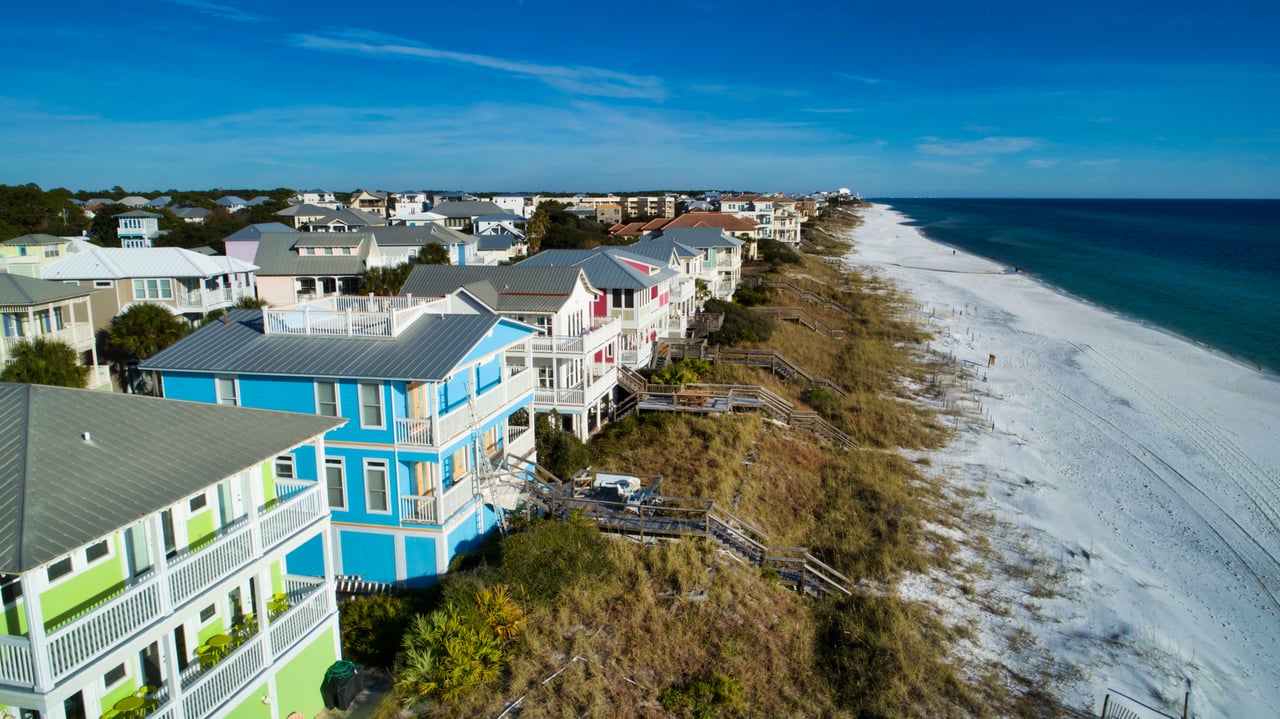
Gulf County draws second-home buyers for a simple reason: it offers a strong coastal lifestyle with room to think beyond the typical crowded beach market. The county includes 43 miles of sandy beaches and 27 public accesses, with well-known areas like Port St. Joe, Cape San Blas, and St. Joseph Peninsula shaping much of the appeal.
That lifestyle also overlaps with investment goals for many buyers. Gulf County says overnight stays in hotels, vacation rentals, and other lodging are subject to a 5% Tourist Development Tax, which shows how important visitor use is to the local market. If you are considering occasional rental income from your second home, that is a factor worth planning for from day one.
At the same time, not every desirable lot is equally buildable. The Florida Department of Environmental Protection notes that St. Joseph Peninsula State Park covers most of the 10-mile Cape San Blas peninsula, which means some sought-after coastal frontage is also shaped by protected shoreline and public land constraints.
Start With the Lot, Not the Floor Plan
When you are planning a second-home build on your lot in Gulf County, the lot should drive your early decisions. Before you get too attached to a home design, you need to know how the parcel affects setbacks, elevation, access, utilities, and permitting.
A good first stop is Gulf County’s GIS mapping tools. The county’s interactive map displays parcels, flood zones, evacuation zones, evacuation routes, and other location data that can change both your design and your budget.
The county’s flood protection resources also help you research Special Flood Hazard Areas, coastal high hazard areas, flood depths, wetlands, flood insurance, and FEMA elevation certificates. For second-home buyers, this matters because a lot that looks perfect on paper may carry added design requirements or costs once flood and site conditions are reviewed.
What to Check Early
Before you move too far into planning, make sure you understand these lot-level items:
- Flood zone status
- Evacuation zone and route access
- Wetlands or coastal constraints
- Utility or sewer availability
- Septic feasibility, if needed
- Driveway access requirements
- Setback limitations
- Whether the lot falls under additional DEP coastal jurisdiction
Coastal Lots Need More Diligence
Some of Gulf County’s most attractive second-home locations also require the most care. Coastal lots can bring added elevation rules, stricter design standards, and more exposure to shoreline change and storms.
Gulf County requires one foot of freeboard above base flood elevation in flood zones. In Unnumbered Zone A, the county requires three feet above highest adjacent grade.
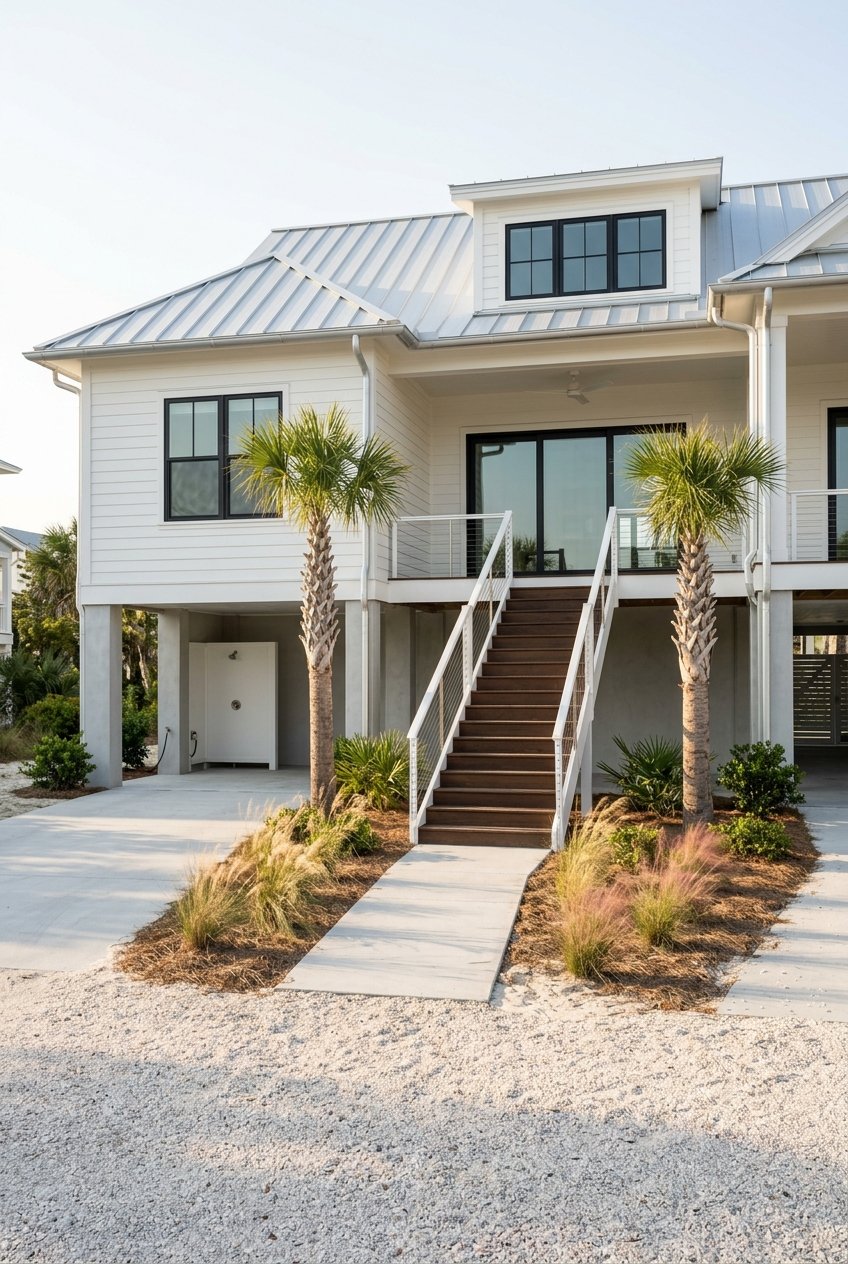
If your lot falls within the Coastal Construction Control Line area, the Florida DEP may impose additional elevation requirements because coastal construction standards are stricter near the beach. That can affect your foundation approach, finished floor height, stairs, parking below, and overall construction cost.
For buyers looking at Cape San Blas or the St. Joseph Peninsula, shoreline conditions should also be part of the conversation. The DEP’s 2023 Panhandle Gulf Coast Beach Management Plan says the San Blas Realignment subregion includes 21.2 miles of beach, with 8.3 miles identified as critically eroded shoreline and 7.5 miles restored. Storms, hurricanes, and natural sand transport all play a role there.
Gulf County Permit Planning Basics
The county’s residential permit checklist is detailed, and that is actually helpful for buyers who want a clearer roadmap. It shows what needs to be addressed upfront so your build can move forward with fewer delays.
Gulf County’s current residential permit application requires two sets of sealed plans prepared by a Florida registered architect or engineer. Plans must comply with the 2023 eighth edition Florida Building Code, and the design must meet a 140 mph wind zone requirement.
If your project is in DEP jurisdiction, the county also requires a Notice to Proceed and a DEP-approved site plan. That makes it important to confirm coastal jurisdiction early instead of discovering it after design work is already underway.
Items That Commonly Affect Timeline
The county checklist highlights several practical items that second-home buyers should solve early:
- Detailed setbacks
- Driveway material details
- A/C pad location
- 911 address certificate
- Environmental health permit or sewer and water tap receipt
- Elevation certificate for FEMA flood zones
- DOT driveway permit, if applicable
- Land-clearing permit, if applicable
- Post-construction survey for parcels under one acre
Setbacks matter, too. The checklist shows side setbacks of 7.5 feet up to 25 feet of building height and 9.5 feet for 25 to 50 feet of height. Roadside setbacks are 20 feet on local roads and 30 feet on arterial roads.
Septic Rules Changed in 2025
If your lot is not served by sewer, septic planning now needs extra attention. As of January 1, 2025, Gulf County says its Environmental Health Department no longer issues septic permits.
The Florida Department of Environmental Protection is now the issuing agency through its portal. Gulf County also states that the landowner must verify BOCC ordinance and density requirements before submitting, or the building permit can be denied.
For second-home buyers, this is one more reason to verify site feasibility before finalizing a home plan. On inland or north-county lots, septic, floodplain conditions, and access planning may matter more than beach exposure or coastal control lines.
Design for Durability and Lower Maintenance
A second home should be enjoyable, not a constant maintenance project. In Gulf County, the smartest design choices usually support storm resilience, lower upkeep, and easier ownership when the home may sit vacant part of the year.
The county’s permit checklist makes clear that several performance items are part of the real build process. It asks whether window protection will be shutters or impact windows, requires a blower-door test certificate for new modular and single-family construction, and requires pre-treat and final termite certificates on slab-on-grade homes.
County flood guidance also recommends elevating houses above base flood elevation, checking roofs, doors, and windows for water-entry points, documenting personal property, and maintaining a disaster-response plan. The county specifically says residents should be self-sufficient for three to five days after a disaster and should consider flood insurance.
Practical Second-Home Design Priorities
For many Gulf County builds, practical design choices include:
- Elevated living areas where site conditions require it
- Protected openings such as impact windows or shutters
- Simple rooflines that are easier to maintain
- Exterior materials selected for coastal exposure
- Layouts that can be monitored and maintained more easily
- Energy-conscious construction details that support lower operating costs
This is also where a repeatable building process can help. A builder that works from adaptable, production-tested plans can often help you balance customization with a more predictable path from lot review to final build.
Rental Use Changes the Planning Process
If you may rent the home when you are not using it, treat that as a major planning input, not a small detail to revisit later. Rental use can affect licensing, inspections, taxes, and how you think about layout and durability.
Gulf County says short-term rental properties may require a short-term vacation rental business license and a rental inspection record. Buyers who plan to rent should confirm the current county steps before they underwrite income assumptions.
The county Tax Collector also says the Tourist Development Tax is 5.0% and applies to transient rentals. Even if a booking platform remits Florida state sales tax, that does not remove the county Tourist Development Tax filing obligation.
Rental-Ready Questions to Ask
If rental use is part of your plan, ask early:
- What county licensing steps apply now?
- Is an inspection record required?
- How will you handle tax collection and filing?
- Does the lot support the parking and access your plan needs?
- Will your design choices reduce wear, storm cleanup, and turnover maintenance?
Know the Tax Difference for Second Homes
Many second-home buyers assume property tax treatment will work like a primary residence. In Gulf County, that is not usually the case.
The Gulf County Property Appraiser says homestead exemption requires ownership and primary residency. The office also states that you cannot receive homestead if you rent a home or lot.
That means most second homes and vacation-rental properties will not receive homestead treatment. The Property Appraiser also notes that non-homestead residences and vacant land are not subject to the homestead assessment limitation, and that new construction or additions are assessed at full market value as of the first January 1 after the work is substantially complete.
Build or Buy Resale in Gulf County?
For some buyers, resale still makes sense. If speed matters most, or if you want an established setting and do not want to navigate lot feasibility and permitting, buying an existing home may be the easier path.
But building can be the stronger choice when you want control over the layout, current-code resilience, and a home designed for your actual use. That can be especially valuable for second-home buyers who want a low-maintenance retreat, a better fit for part-time occupancy, or a layout that can support future rental use.
Location matters in this decision. Cape San Blas and the St. Joseph Peninsula offer a strong beach lifestyle, but they also bring more shoreline exposure and possible coastal constraints. Port St. Joe offers bay-and-Gulf proximity and downtown access, but it still calls for the same flood and wind diligence as other coastal locations.
Inland and north-county lots often shift the conversation toward floodplain review, septic, and access planning. In practical terms, building often wins when you want lot-specific control and a more durable, modern home, while resale may win when convenience and speed matter more than plan control.
A Smarter Way to Plan Your Build
The best second-home builds usually start with clear sequencing. First, confirm the lot. Then line up the site constraints, utility path, and permit requirements. After that, fit the home plan to the land instead of forcing the land to fit the plan.
That process matters even more in Gulf County, where flood mapping, coastal exposure, rental goals, and septic rules can all influence what makes sense. A documented building journey and adaptable floor plans can help you move forward with more confidence and fewer costly redesigns.
If you are exploring an on-your-lot second-home build in Gulf County, Tracewater Homes can help you think through the process with a focus on durable, energy-conscious homes and a clearer path from lot to finished home.
FAQs
What should you check first before building on a lot in Gulf County?
- Start with Gulf County GIS and flood tools to review parcel details, flood zones, evacuation zones, wetlands, and access conditions before choosing a final home plan.
What flood rules matter for a second-home build in Gulf County?
- Gulf County requires one foot of freeboard above base flood elevation in flood zones, and Unnumbered Zone A requires three feet above highest adjacent grade.
What permit requirements apply to new home construction in Gulf County?
- The county requires sealed plans by a Florida registered architect or engineer, compliance with the 2023 eighth edition Florida Building Code, and design for a 140 mph wind zone.
What changed with septic permits in Gulf County in 2025?
- As of January 1, 2025, Gulf County says septic permits are no longer issued by the county Environmental Health Department and are now handled through the Florida Department of Environmental Protection.
What should you know about short-term rental use in Gulf County?
- Gulf County indicates that short-term vacation rental use may require a business license and a rental inspection record, and transient rentals are subject to the county’s 5.0% Tourist Development Tax.
Do second homes in Gulf County qualify for homestead exemption?
- Usually no. The Gulf County Property Appraiser says homestead exemption requires primary residency, and you cannot receive homestead if you rent a home or lot.