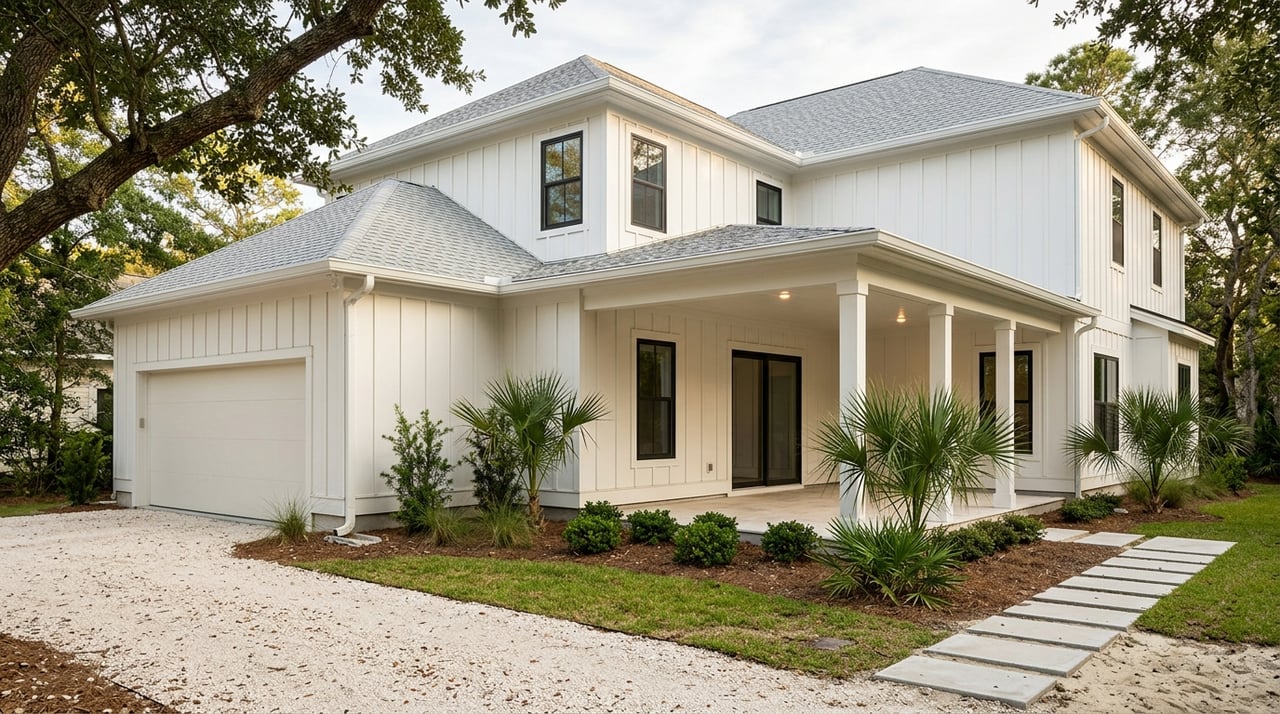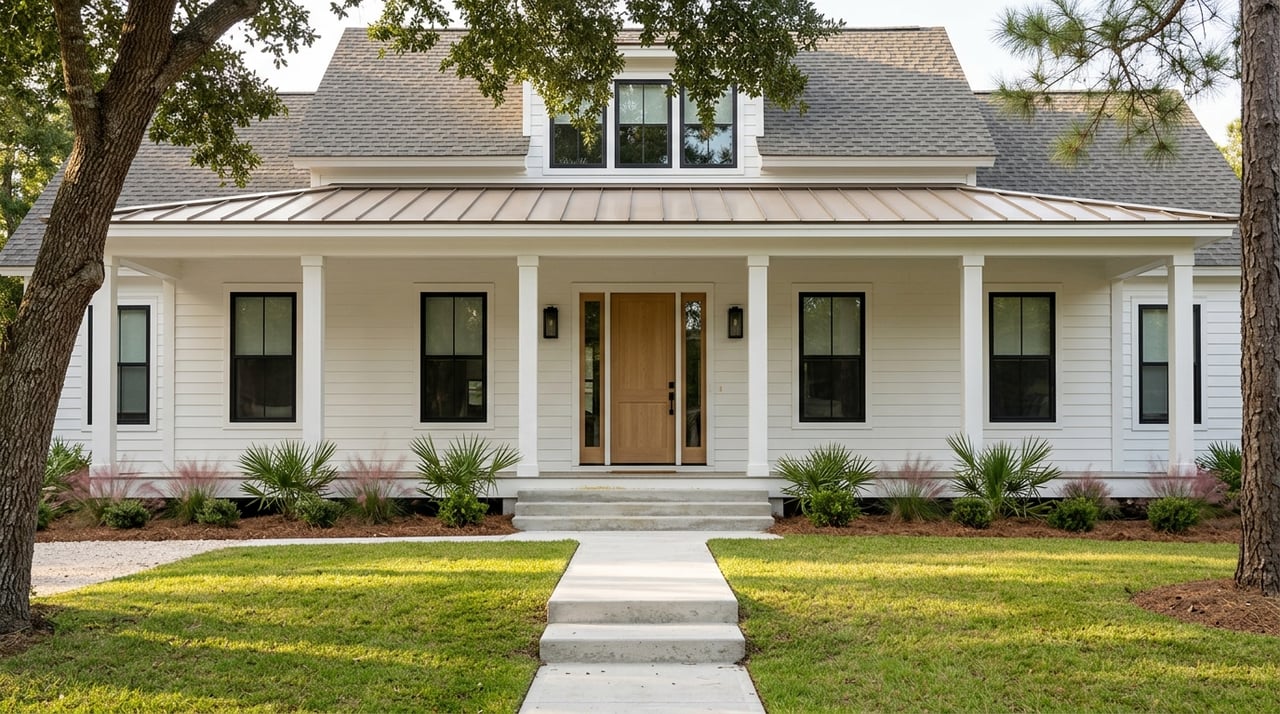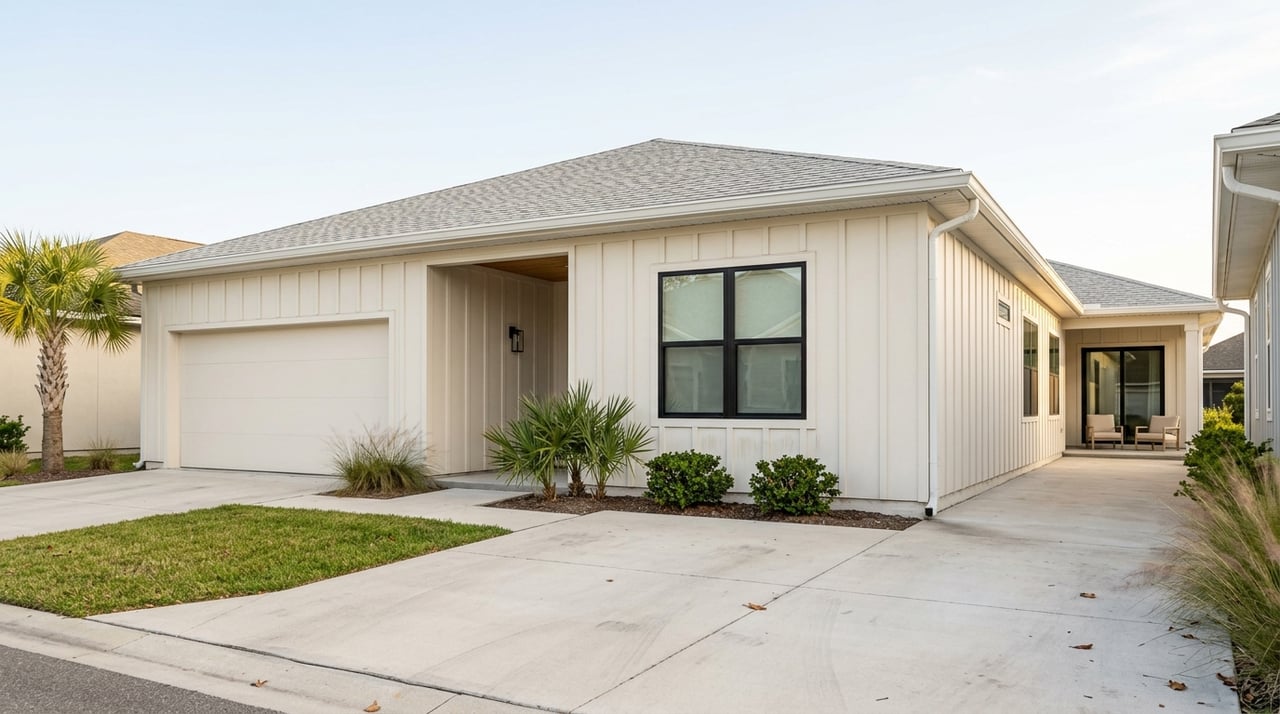
If your idea of a dream home includes land, room to gather, and spaces that work as hard as you do, a homestead-style build in Holmes County can make a lot of sense. You may want a house that feels simple and welcoming, but also supports gardening, storage, outdoor cleanup, and day-to-day rural living. The key is designing a home that fits both your lifestyle and the county’s rules from the start. Let’s dive in.
Why homestead-style fits Holmes County
Holmes County’s planning framework lines up well with a homestead-style new home. The county’s Future Land Use approach supports rural production, family-oriented living, and certain home-based activity in Agriculture and Rural Residential areas.
That matters if you want more than a house alone. Depending on the land use category, the county allows uses such as single-family detached homes, home occupations, co-housing, small-scale or micro-agriculture, small farming buildings, and in some Agriculture areas, produce stands or markets tied to what is grown on the property.
The county also notes that it is limiting sprawl and does not plan to extend public water or sewer outside Esto, Noma, Ponce de Leon, or Westville. If you are building on a rural lot, that shapes how you think about site planning, utilities, and the overall layout of your home.
Start with the lot before the floor plan
A homestead-style home works best when the house, driveway, septic area, and accessory buildings are planned together. In Holmes County, site decisions early in the process can affect what you can build and where you can place it.
County guidance calls for land development approval, a verified 911 address, a septic tank permit, a driveway permit, a legal description or deed, and two sets of plans. If the property is inside a town, you also need a city compliance letter.
The county requires a notice of commencement for construction over $2,500. It also warns that starting work before permits are issued can lead to double fees.
Know the setback rules early
Setbacks in Holmes County apply not just to the home, but also to septic tanks, additions, and storage buildings. The county lists setbacks of 15 feet from the front and rear property lines and 10 feet from the side property lines.
That is why it helps to think about the full property plan up front. If you want a barn, workshop, or detached storage building, those structures should be part of the initial layout instead of an afterthought.
Check flood and wetlands conditions
If your lot is in a flood zone, Holmes County requires the final elevation to be two feet above base elevation. The county also requires an elevation certificate before vertical construction and again at final inspection.
For land with possible wetlands concerns, the county points property owners to the Wetlands Mapper and recommends using an environmental consultant for a more detailed review. These checks can influence where you place the home, how you grade the site, and how much usable yard or pasture area you truly have.
Design features that support real rural living
A homestead-style home in Holmes County should feel comfortable, but it should also be practical. The best layouts support everyday movement between the outdoors and the indoors, while giving you room to gather, clean up, store equipment, and adapt over time.
For many buyers, that means choosing a plan that is less about formal rooms and more about durable, flexible spaces. A well-designed on-your-lot home can still look polished while handling the demands of rural property life.
Open kitchen and gathering space
An open kitchen, dining, and living area is a strong fit for this type of build. It gives you one central space for meals, conversation, and day-to-day routines, especially if your household comes and goes from outdoor work or recreation.
This kind of layout also works well for hosting family gatherings without making the home feel oversized or complicated. In a homestead-style plan, the heart of the home should be easy to use every day.
Mudroom and laundry near the entry
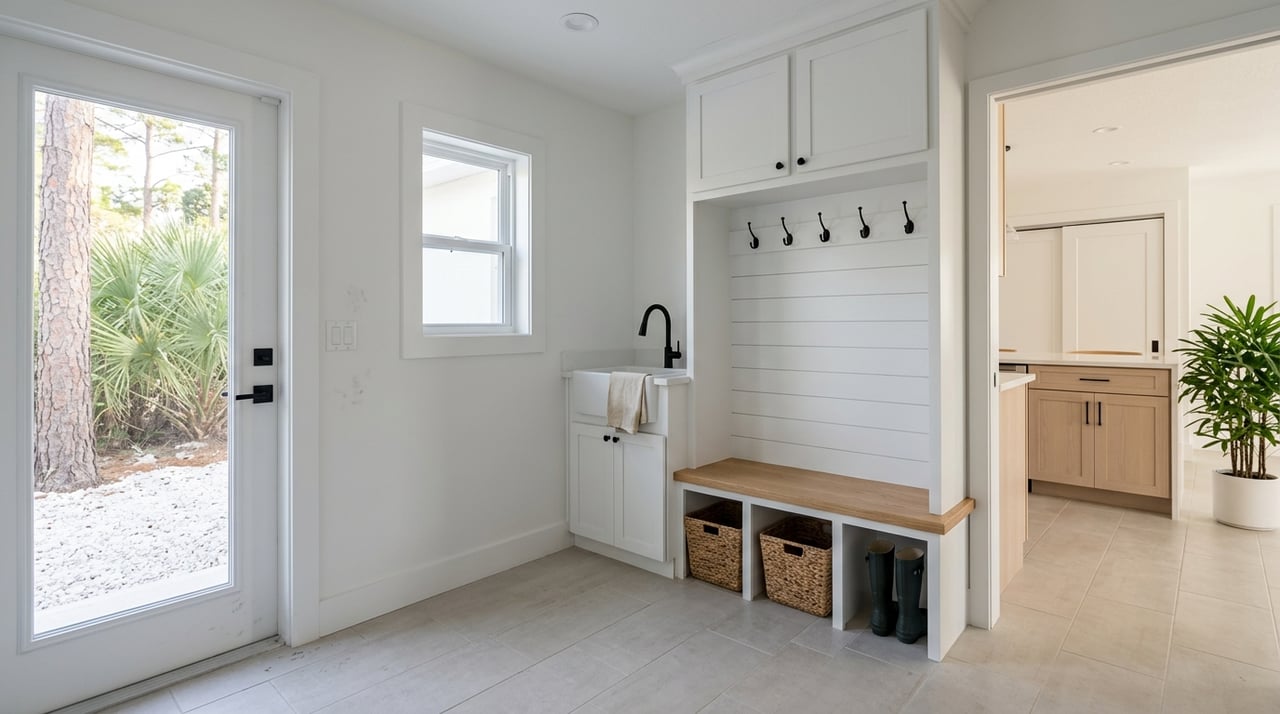
Holmes County living often means more dirt, water, and gear moving through the house. A mudroom or drop zone with laundry nearby can make a big difference, especially if you garden, spend time outdoors, or enjoy local recreation around springs and water sites.
Ponce de Leon Springs State Park includes a shower station, and both Ponce de Leon Springs and Vortex Spring are known for year-round 68°F water. That local lifestyle makes features like a utility sink, built-in storage, and an easy-clean entry area especially useful.
Covered porch and outdoor rinse area
A homestead-style house should give you a reason to use the outdoors every day. Covered porches, screened lanais, and simple outdoor rinse areas support a lifestyle built around fresh air, cleanup, and relaxed family time.
These spaces are not just decorative. They help keep the inside of the house cleaner, create useful transition areas, and make the home feel more connected to the land.
Workshop or detached storage
Storage matters when you live on land. Tools, garden supplies, seasonal equipment, and hobby gear all need a place to go.
Holmes County allows small farming buildings where a principal use exists, and setbacks apply to storage buildings as well as homes. If you know you want a workshop, barn, or detached storage building, include it in the plan early so the site works as one complete system.
Flexible bedroom or guest suite
A flexible bedroom on the main level can add long-term value to your layout. It can serve as guest space, a quiet office, or part of a multi-generational setup as needs change.
The county’s rural land use categories allow co-housing and community residential facilities in certain contexts, which makes flexible layouts a sensible local design response. The goal is not to overbuild, but to create a home that can adjust with you over time.
Can you build small or choose a barndominium look?
For many buyers, a homestead-style home does not have to mean a large farmhouse. Holmes County says there are no minimum size requirements for residential buildings, which gives you more flexibility when thinking about a smaller home footprint.
The county also states that only one single-family residence is allowed per parcel. Any residential construction must meet the current Florida Building Code, so style flexibility still needs to work within code and local approval requirements.
That can open the door to a simpler, more efficient plan if your goal is to keep maintenance manageable. A compact layout with strong storage, durable finishes, and a practical porch may serve you better than a larger home with unused space.
Plan for daily function, not just curb appeal
The best homestead-style homes in Holmes County are designed around how you actually live. If you spend weekends gardening, hosting family, storing gear, or heading out for a swim or picnic, your house should support those habits without constant cleanup or clutter.
That is where a repeatable, adaptable floor plan can help. Instead of starting from scratch, you can begin with a proven layout and tailor it to your lot, storage needs, and preferred indoor-outdoor flow.
For example, practical choices may include:
- Durable flooring in main living areas
- A drop zone with hooks, benches, or closed storage
- A utility sink near the laundry or mudroom
- A large kitchen island for meals and prep
- A porch positioned for shade and everyday use
- Detached storage planned with setbacks in mind
With the right plan, your home can feel clean and modern while still being ready for real life on rural land.
A few county rules to keep in mind
Before you move too far into design, it helps to know a few local ground rules that often come up with rural builds.
RVs may be allowed temporarily in some districts, but Holmes County says they cannot serve as a primary residence. If you were thinking about living in an RV full-time on the lot, that is not the same as an approved permanent housing plan.
If you are exploring a family land transfer, the county’s comprehensive plan also includes a Family Homestead Subdivision Exception on Agriculture land for certain related-family transfers, with conditions and a five-year ownership requirement. That is a useful topic to raise early if your build is part of a larger family property plan.
Why process matters on an on-your-lot build
Design is only part of a successful homestead-style home. The process matters too, especially in a county where permits, septic planning, flood review, and accessory building placement can all affect the final result.
A documented, step-by-step building approach can help you make smart choices in the right order. That is especially valuable when you are trying to balance home design, lot constraints, long-term durability, and a budget that needs to stay grounded in reality.
For buyers building in inland Panhandle locations, a clear process and adaptable floor plans can remove a lot of guesswork. You get a home that reflects your property and lifestyle, without losing sight of buildability, performance, and day-to-day function.
If you are thinking about a homestead-style new home in Holmes County, the right starting point is a plan that respects the land, fits local rules, and supports the way you want to live. When you are ready to explore an on-your-lot home with a practical process and design flexibility, connect with Tracewater Homes to start your build.
FAQs
What makes a homestead-style home a good fit for Holmes County?
- Holmes County’s land use framework supports rural living patterns such as single-family homes, home occupations, co-housing, small-scale agriculture, and certain farm-support uses in Agriculture and Rural Residential areas.
What setbacks apply to a new home in Holmes County?
- Holmes County lists setbacks of 15 feet from the front and rear property lines and 10 feet from the side property lines, and those rules also apply to septic tanks, additions, and storage buildings.
Can you build a small house in Holmes County?
- Yes. The county says there is no minimum size requirement for residential buildings, but only one single-family residence is allowed per parcel and the home must meet the current Florida Building Code.
Can you live in an RV while building in Holmes County?
- Holmes County says recreational RVs may be allowed temporarily in certain districts, but they cannot be used as a primary residence.
What permits are needed for a new build in Holmes County?
- County guidance calls for land development approval, a verified 911 address, a septic tank permit, a driveway permit, a legal description or deed, two sets of plans, and if the property is inside a town, a city compliance letter.
What home features work best for Holmes County living?
- Practical features often include an open kitchen and living area, a mudroom, laundry near the entry, covered outdoor space, an outdoor rinse area, and a workshop or detached storage building planned with local setbacks in mind.