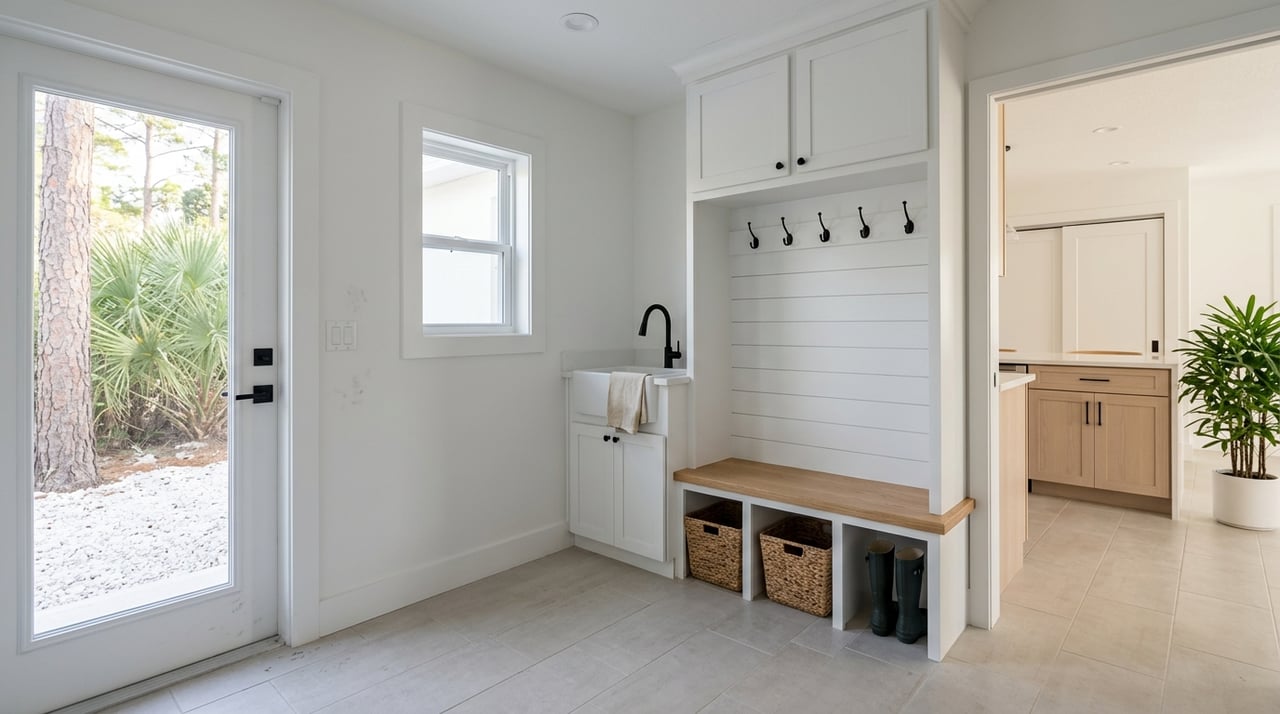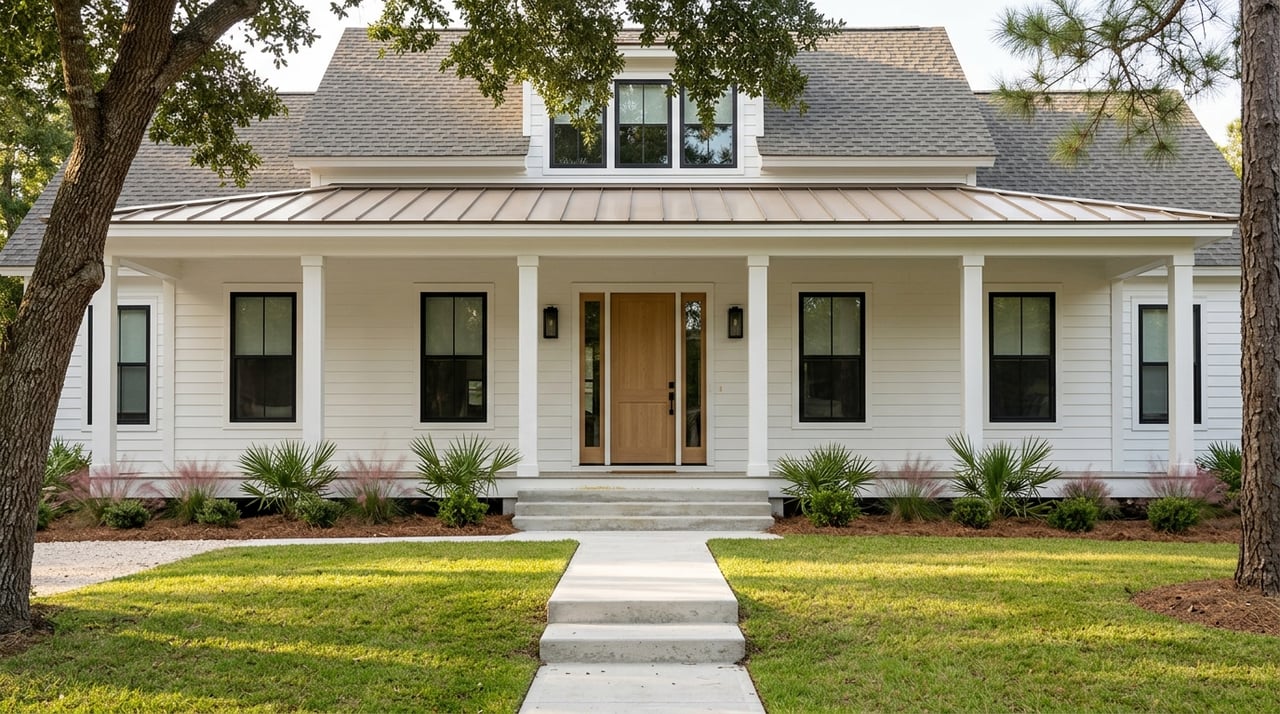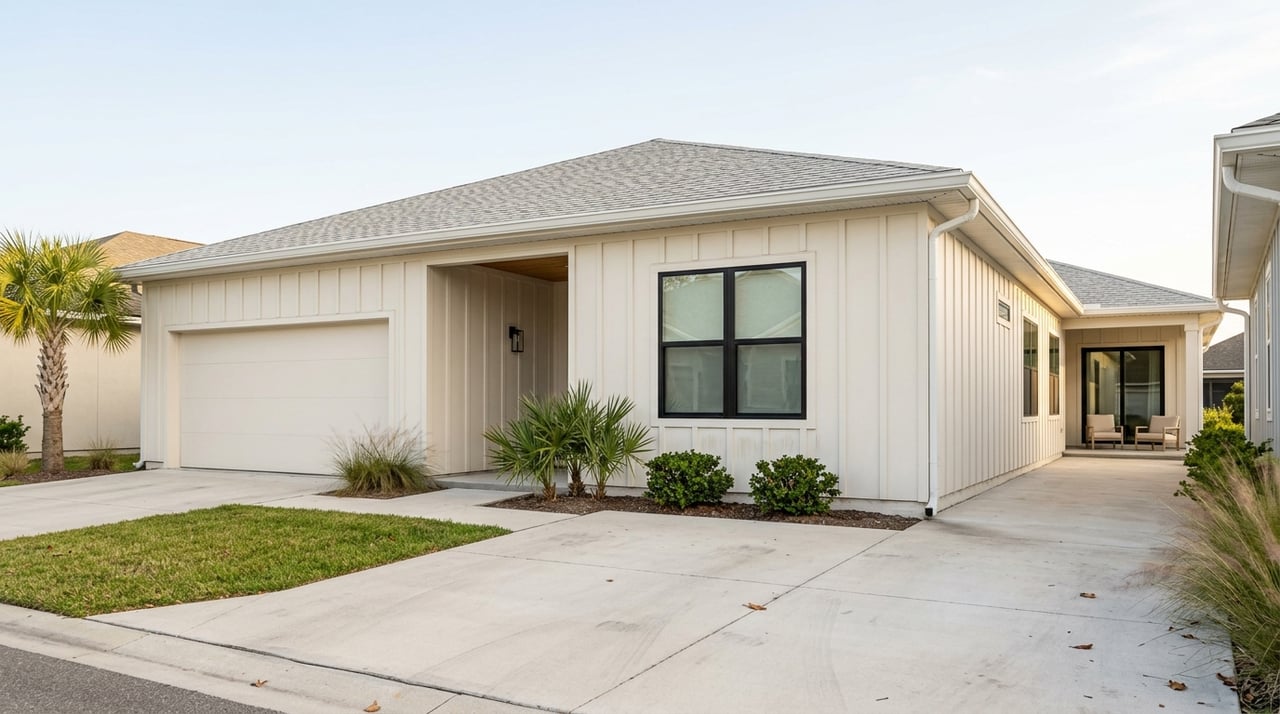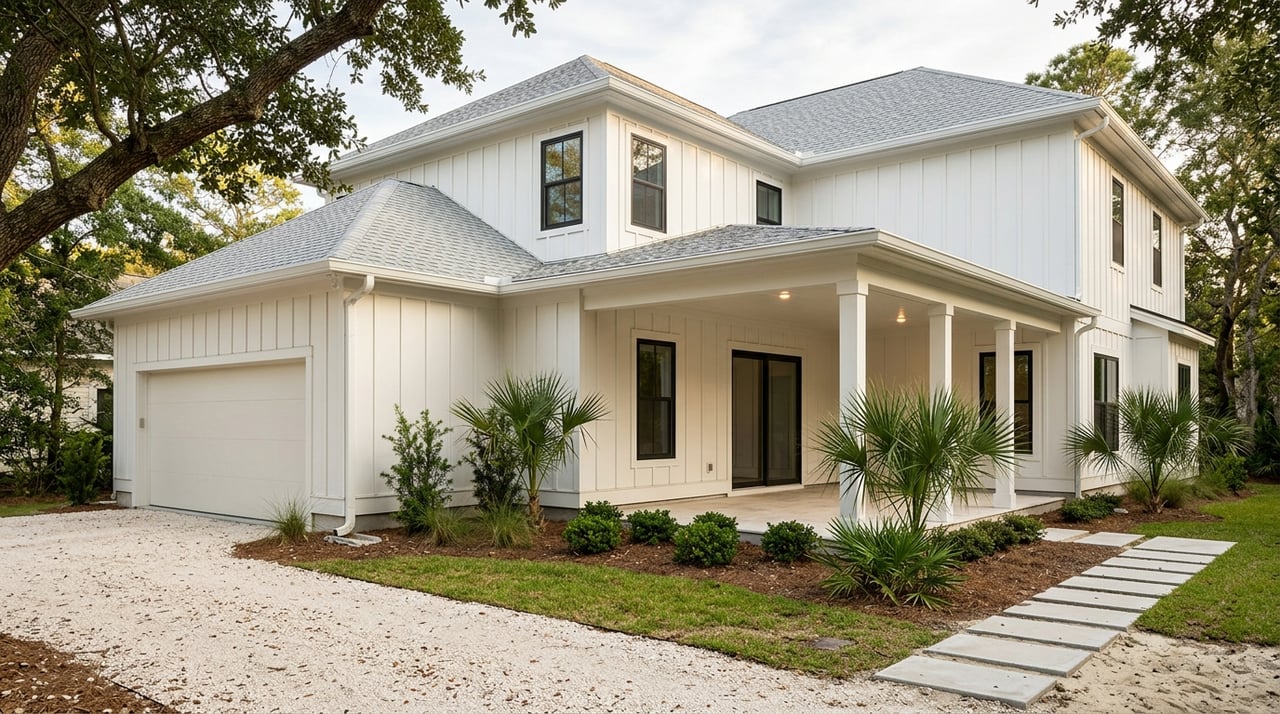
If you are thinking about building on your own lot in Walton County, the biggest surprise is often this: not all lots follow the same path to construction. A parcel near Santa Rosa Beach or along 30A can involve more environmental, floodplain, and corridor review than a lot in Freeport or DeFuniak Springs. If you understand those differences early, you can make better decisions, avoid delays, and move forward with more confidence. Let’s dive in.
Why location matters most
Walton County is not one uniform build market. In broad terms, coastal areas like Santa Rosa Beach and the 30A corridor tend to come with more site-specific review, while inland areas like Freeport and DeFuniak Springs are often more straightforward from a research standpoint.
That difference starts with the land itself. South Walton is shaped by 26 miles of coastline, coastal parks, and 15 named coastal dune lakes identified by Walton County. Those natural features add value and appeal, but they can also add layers of review before building begins.
Inland areas usually shift the conversation toward utilities, access, and standard permitting steps. That does not mean inland lots are simple by default, but it often means fewer coastal overlays and fewer shoreline-related constraints.
Coastal Walton County basics
Santa Rosa Beach and 30A context
Santa Rosa Beach and the broader South Walton area are known for their beach setting, natural preserves, and established coastal communities. Walton County notes that some parcels along Route 30A, Scenic Gulf Drive, and U.S. 98/331 may fall within scenic corridor overlay districts.
For you, that can mean extra standards for access, landscaping, signage, and design review. Before you commit to a coastal lot, it is smart to confirm whether any overlay district applies and how it could affect your build plans.
Coastal barriers and protected areas
Some coastal parcels also sit within CBRS areas or the OPA identified by Walton County, including Moreno Point, Four Mile Village, Deer Lake, Draper Lake, and Grayton Beach. The county advises buyers to verify whether a parcel is inside a coastal barrier designation before applying for a building permit.
That step matters because coastal barrier status can affect how a property moves through the build process. It can also influence insurance-related planning for certain structures built or substantially improved after the designation date.
Clearing rules south of the bay
If your lot is south of Choctawhatchee Bay, Walton County says you generally need a building permit or development order in place before clearing or altering the land. This is one of the clearest practical differences between many coastal and inland lots.
Protected areas may include native vegetation communities, coastal dune lake protection zones, a 25-foot wetland buffer, and a 50-foot buffer from the mean high water line of the bay and its tributaries. These are not details to sort out later. They should shape your lot evaluation from the start.
Inland Walton County basics
Freeport and DeFuniak Springs context
Inland Walton County often presents a different build experience. Freeport and DeFuniak Springs are more grounded in municipal service systems and everyday utility coordination than in coastal overlay review.
Walton County lists the City of Freeport, the City of DeFuniak Springs, Regional Utilities, and South Walton Utility Company among local service providers. DeFuniak Springs states that it provides water, sewer, and natural gas, while also maintaining parks, rights-of-way, and the downtown district.
Clearing and utility coordination inland
If your parcel is north of Choctawhatchee Bay, Walton County says you do not need a building permit or development order before land clearing, but you still need a land-clearing permit. That is simpler than many coastal parcels, but it is not a free pass.
Utility coordination is also a major early step inland. Walton County’s permit checklist requires either a septic tank permit or a water-and-sewer availability letter from the applicable utility provider. In other words, you need to know early whether your lot will connect to sewer, rely on septic, or require additional confirmation.
What to check before you buy a lot
The first and best due-diligence tool is Walton County’s interactive map and planning resources. The county says its maps include addresses, parcels, future land use, wetlands, flood zones, beach mouse tiers, and elevation contours.
A zoning check can be done by parcel ID or address. That makes it possible to screen a lot before you spend time and money designing a home that may not fit the site.
Here are the key items to verify early:
- Zoning
- Future land use
- Setbacks
- Flood zone
- Wetlands
- Beach mouse tiers
- Elevation contours
- Scenic corridor overlay status
- CBRA or CBRS status where applicable
- Utility availability or septic requirements
If even one of these items is unclear, your timeline and budget can change quickly. The goal is to get a realistic picture of the lot before the design and permit work begins.
Walton County’s planning-first workflow
One of the most important things to understand is that Walton County uses a planning-first process. The county says the first step is Planning and Development Services review, which typically takes about 2 to 3 weeks.
That review comes before the final permit path moves forward. Planning looks at site-plan and land-use issues such as foundation type, flood-zone requirements, stormwater, and finish-floor elevation, while the Building Division handles permits, plan review, and inspections.
This two-stage approach helps define the site before construction starts. For you, that means fewer assumptions and a clearer path if the parcel has constraints.
A practical 12-step build path
A strong on-your-lot process should follow the county’s real milestones. For Walton County, a practical workflow looks like this:
- Verify the parcel on the county map
- Confirm zoning, future land use, setbacks, and overlay status
- Check flood zone, wetlands, beach mouse tiers, and CBRA or CBRS status if relevant
- Confirm utility availability or septic requirements
- Prepare the survey, site plan, and stormwater concept
- Submit Planning review
- Secure the building permit
- Obtain the 9-1-1 address
- Clear and prep the lot
- Build the foundation and shell
- Complete inspections and required documentation
- Receive the Certificate of Occupancy
This kind of documented process matters in Walton County because the county’s requirements vary by parcel. A repeatable roadmap helps keep your project moving, whether your lot is near the coast or farther inland.
Floodplain rules can change your design
Floodplain review is especially important on coastal lots and in other mapped flood areas. Walton County says development in special flood hazard areas requires a development order and a building permit, and flood-zone work must be reviewed by the Flood Plain Manager.
The county’s building requirements also set elevation standards. In Zone AE, the finished floor must be at least 1 foot above the base flood elevation. In VE and Coastal A Zones, the lowest horizontal structural member must be at least 1 foot above the base flood elevation.
Some projects require more documentation as well. Walton County says floodplain compliance requires elevation certificates at three stages of construction, and a VE Zone building requires a V-zone certificate. Floodway projects also need a no-rise technical evaluation.
There is one helpful insurance note for eligible properties in special flood hazard areas. Walton County says its Class 6 CRS rating provides a 20% discount on new or renewing flood-insurance policies for those properties.
Stormwater is a core part of the build
Stormwater planning is not just a box to check at the end. Walton County’s single-family stormwater guidance requires coordination with county land-development rules, the comprehensive plan, applicable regulations, and the Florida Building Code.
The county asks for items such as contours, a site plan, a soils printout, calculations, a final topographic survey, and completion photos after construction. Walton County also emphasizes minimizing disturbance, preserving natural site features, and reducing impervious surfaces where possible.
That is one reason site planning should happen early. A lot that looks buildable at first glance may still need careful grading, drainage design, or layout changes to comply.
Utilities and addressing are part of the timeline
Utilities should be confirmed well before construction begins. Regional Utilities can issue a Letter of Availability for South Walton parcels after reviewing the property location, while South Walton Utility Company says it reviews building plans before issuing a Statement of Availability.
In DeFuniak Springs, new service requires an application and proof of ownership, and the city provides water, sewer, and natural gas. These steps can affect both schedule and design, especially if your lot sits outside a straightforward service area.
Addressing also happens in sequence. Walton County says Planning approval comes first, then the Building Division issues the permit, and then GIS assigns the 9-1-1 address. The county also requires address numbers to be posted on the structure before the final Certificate of Occupancy.
How Tracewater Homes helps simplify the process
When you are building on your own lot, a clear process matters as much as the home itself. Tracewater Homes focuses on a documented, client-facing 12-step building journey designed to reduce uncertainty and keep your project aligned with real county milestones.
That approach fits Walton County well because the local process is detail-driven. Whether you are targeting a coastal parcel in Santa Rosa Beach or an inland lot in Freeport or DeFuniak Springs, a repeatable plan can help you move from lot research to permitting and construction with fewer surprises.
Tracewater Homes also brings a productized approach to design, with adaptable floorplans and performance-focused building systems intended for Gulf Coast conditions. For many buyers, that balance of flexibility, durability, and process clarity is what makes on-your-lot building feel more manageable.
If you are weighing a coastal lot against an inland one, the right next step is not guesswork. It is parcel-level due diligence, a realistic review path, and a builder who understands how Walton County actually works. When you are ready to explore your options, connect with Tracewater Homes.
FAQs
What should you check first on a Walton County lot?
- Start with the county map and Planning Department tools to verify zoning, future land use, flood zone, wetlands, elevation contours, and utility availability.
How long does Walton County planning review usually take?
- Walton County says Planning and Development Services review typically takes about 2 to 3 weeks.
Can you clear a lot right away in coastal Walton County?
- No. South of Choctawhatchee Bay, Walton County says a building permit or development order must generally be in place before clearing or altering the land.
Do inland Walton County lots still need permits before clearing?
- Yes. North of Choctawhatchee Bay, a building permit or development order is not required before clearing, but a land-clearing permit is still required.
Why are Santa Rosa Beach and 30A lots often more complex?
- Coastal lots may involve scenic corridor overlays, floodplain review, wetland and shoreline buffers, coastal dune lake protection areas, and CBRA or CBRS verification.
What utilities should you confirm before building in Walton County?
- You should confirm whether the lot will use sewer or septic and whether the applicable provider can issue the required availability documentation for permitting.
When do you get a 9-1-1 address for a Walton County build?
- Walton County says the address is assigned after Planning approval and after the Building Division issues the permit.