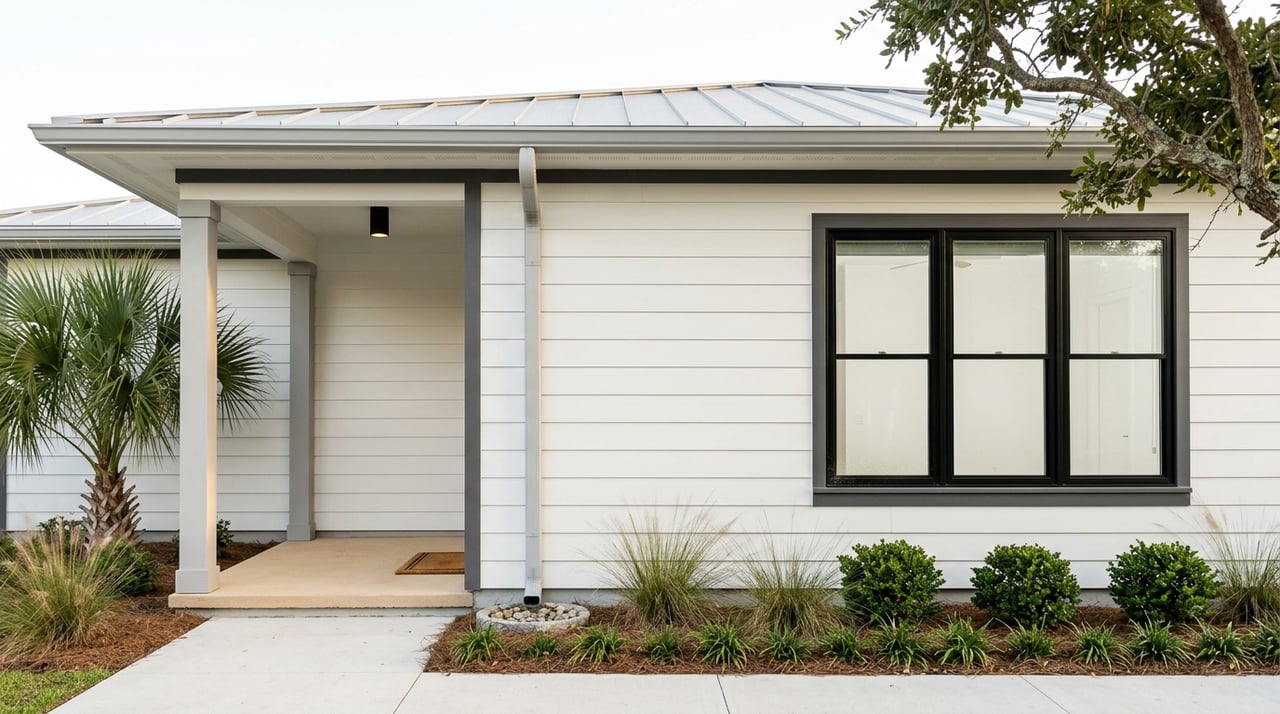
Buying a home in Jackson County is not just about the price you pay on closing day. It is also about what you will spend month after month and year after year to live there. If you are weighing new construction against a resale home, understanding the full cost of ownership can help you make a smarter decision with fewer surprises. Let’s dive in.
Why cost of ownership matters in Jackson County
Jackson County has a mix of older housing and ongoing new construction, which gives buyers real choices. As of July 1, 2024, the county had 20,402 housing units, and 145 building permits were issued in 2024, showing that new homes are still part of the local market.
At the same time, the county’s median year built is 1983. That means many homes in the area are about 41 years old, so age, upkeep, and efficiency are important factors when you compare a newer home with an existing one.
Because 75.9% of occupied housing units in Jackson County are owner-occupied, many buyers are thinking beyond the first year. They want a home that fits their budget now and still works well over time.
New construction vs. resale: the big picture
In simple terms, new construction usually offers lower early maintenance needs and better energy performance. A resale home may offer a lower purchase price in some cases, but your long-term costs can vary a lot depending on the home’s age, condition, and any upgrades it needs.
That does not mean one option is always better. The right choice depends on the specific property, your available cash, and how long you plan to stay in the home.
Energy costs can change the monthly math
Your monthly utility bills are a key part of ownership cost, especially in Florida. In 2024, Florida’s average residential electricity price was 14.14 cents per kilowatt-hour, and the average monthly residential electric bill was $156.09.
Those numbers make energy performance more than a small detail. If a home uses less energy to keep you comfortable, that can create meaningful savings over time.
Why newer homes often have an advantage
Newer homes are often built with more current energy standards and materials. ENERGY STAR states that certified homes are independently verified to be at least 10% more energy efficient than homes built to code, and a typical household can save about $450 per year.
That does not guarantee that every new home in Jackson County will save that amount. Still, it supports a clear trend: newer construction often has an operating-cost advantage, while older resale homes may need updates to close the gap.
What to watch for in resale homes
An older home may still be a good value, but its efficiency depends on the condition of major systems and past improvements. If windows, insulation, HVAC equipment, or other components are dated, your monthly ownership costs may be higher until you invest in upgrades.
That is why two resale homes at a similar price can perform very differently. The true cost depends on the property, not just the listing number.
Maintenance is where age often shows up
Maintenance and repair costs are another major difference between new construction and resale. Fannie Mae recommends budgeting 1% to 4% of a home’s value each year for maintenance, repairs, and replacements, and notes that newer homes tend to have lower average maintenance costs, with 1% often enough.
Using Jackson County’s median owner-occupied home value of $120,800, that rule of thumb works out to about $1,208 to $4,832 per year. That is a wide range, and the reason is simple: condition matters.
New construction and early-year repairs
With new construction, many major components are brand new at move-in. That can reduce the chance of facing immediate replacement costs for systems or materials in the first years of ownership.
For buyers who want more predictable early ownership costs, that can be a big advantage. You may still have maintenance, but you are less likely to inherit years of deferred wear right away.
Resale homes and age-sensitive inspections
With resale homes, inspections become even more important as homes get older. Florida Health Charts notes that homes built before 1979 may have lead-based paint, which is one example of why age-sensitive inspections matter more in older properties.
That does not mean older homes should be avoided. It means you should understand the home’s condition clearly before you buy, especially if you are comparing it to new construction.
Purchase price is only part of the decision
It is easy to focus on the sticker price, but ownership costs continue long after closing. A resale home may appear to cost less upfront, yet need repairs, replacements, or efficiency upgrades that change the picture over the next few years.
A new home may start at a higher price, but lower maintenance needs and better energy performance can help offset part of that difference. The key is to compare total ownership cost, not just the initial purchase amount.
Long-term value and resale potential
Your exit strategy matters too, even if you plan to stay for years. ENERGY STAR reports that studies have found sale and resale premiums of 2% to 8% in most markets for rated, energy-efficient homes.
That does not guarantee a premium in Jackson County. Still, it shows that efficiency can matter not only while you own the home, but also when it is time to sell.
A practical way to think about the tradeoff
For Jackson County buyers, the data support a practical framework. Newer construction is usually a bet on lower operating costs and fewer early repairs, while resale is more about condition-specific risk and future repair or upgrade exposure.
Because the county is heavily owner-occupied, move-in-ready appeal may matter to many buyers. Even so, the better value still depends on the individual home and your timeline.
How to compare homes more clearly
If you are trying to decide between a new home and a resale home, it helps to compare them on the same checklist. Looking at cost categories side by side can keep you from overvaluing price alone.
Use this ownership-cost checklist
- Monthly energy use: Ask how efficient the home is likely to be based on age, construction, and system updates.
- Near-term maintenance: Estimate what you may need to spend in the first one to three years.
- Repair risk: Consider the age of major components and whether replacements may be coming soon.
- Inspection findings: Pay close attention to age-related issues in older homes.
- Time horizon: Think about whether you plan to stay long enough to benefit from lower operating costs.
- Future appeal: Consider whether efficiency and condition may matter when you sell later.
Where new construction may fit your goals
If you value predictability, lower early maintenance, and modern performance, new construction may be worth a close look. That is especially true if you are focused on long-term ownership costs, not just the purchase price.
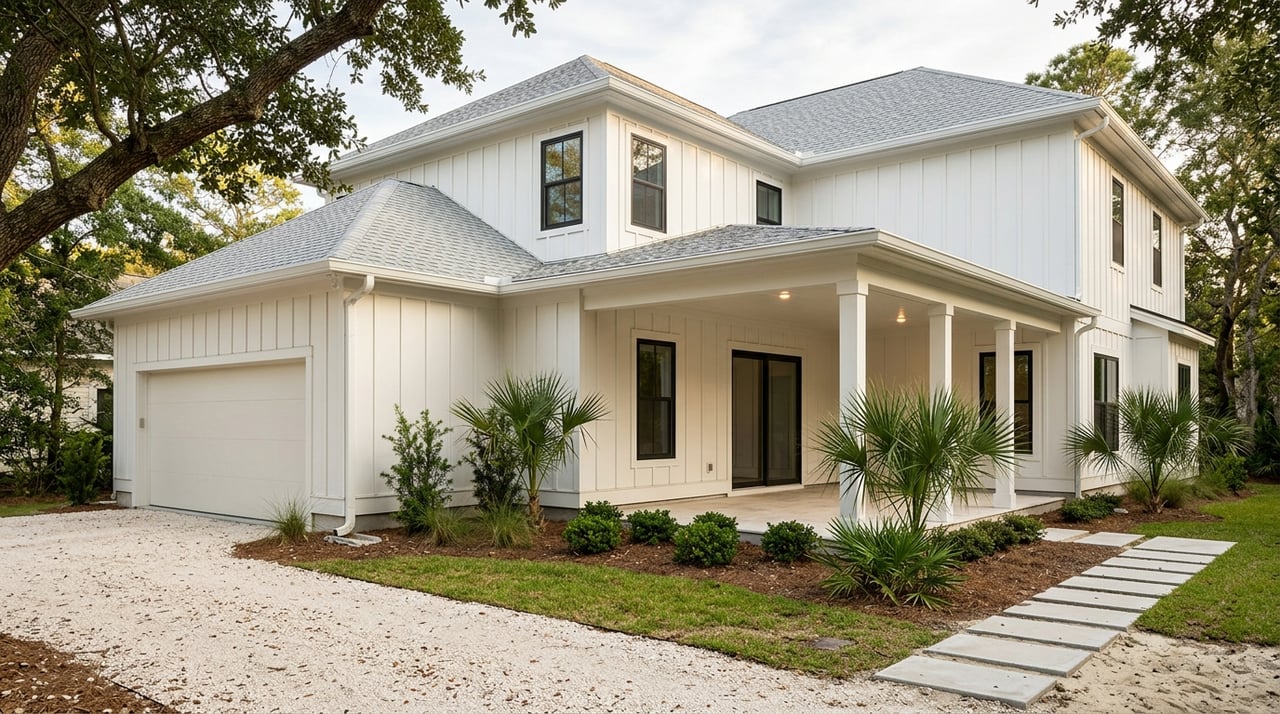
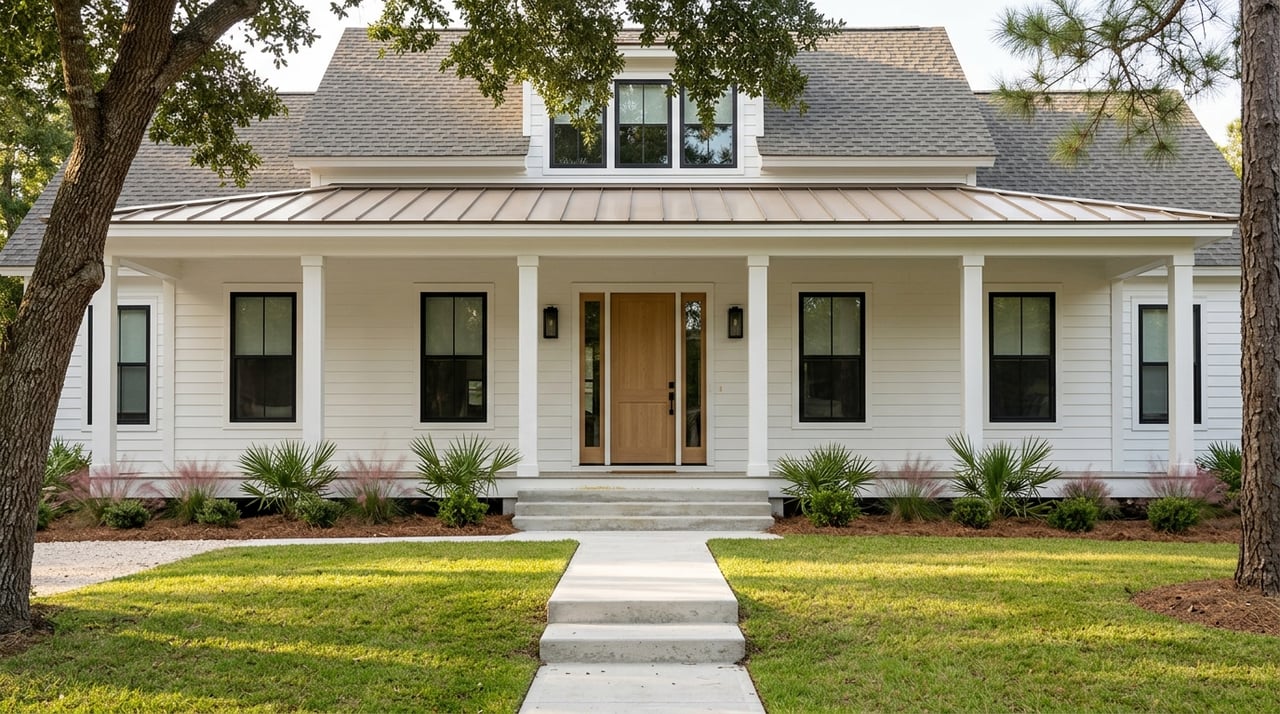
For buyers considering a build on their own lot, Tracewater Homes brings a process-oriented approach that aligns with those priorities. The company focuses on adaptable floorplans, energy-conscious design, and durable building systems intended to reduce long-term ownership costs.
Its documented 12-step building journey is designed to make construction clearer and more predictable. For buyers who want a modern, resilient home without as many unknowns tied to aging housing stock, that can be a meaningful alternative to buying resale.
If you are weighing your options in Jackson County and want to think beyond the listing price, it helps to compare what you will actually spend over time. When you are ready to explore a modern on-your-lot path with a clear process and performance-minded construction, connect with Tracewater Homes.
FAQs
How does new construction compare to resale on monthly costs in Jackson County?
- New construction often has lower monthly operating costs because newer homes tend to be more energy efficient, while older resale homes may need upgrades to reduce utility use.
How much should you budget for home maintenance in Jackson County?
- A common rule of thumb is 1% to 4% of a home’s value per year. Using Jackson County’s median owner-occupied home value of $120,800, that equals about $1,208 to $4,832 annually.
Why do older resale homes in Jackson County need closer inspections?
- Older homes can come with age-related issues that newer homes usually avoid. Florida Health Charts notes that homes built before 1979 may have lead-based paint, which is one reason age-sensitive inspections matter.
Does new construction always cost less to own than a resale home?
- No. New construction often has advantages in energy performance and early maintenance, but the better value depends on the specific resale home’s condition, the new home’s features, and how long you plan to stay.
Is new construction active in Jackson County, Florida?
- Yes. Jackson County had 145 building permits in 2024, which shows that new construction remains part of the local housing market.